Day 1 (9/28): Tokyo
Arriving in Japan at 8AM on this day through NRT.
Activities:
- Studio Ghibli Museum
- Akihabara Anime Tour
Planner's Notes: Since your flight is arriving very early in the day, I only wanted to organize one or two activities. The goal is to keep you awake! The Studio Ghibli Museum tickets are notoriously tough to get, so the anime tour should be planned around the time that you're able to secure, but I was hoping that you'd be able to get a ticket for later in the day (like 5:00PM). Also, the tour of Akihabara is really nice for not just anime, but also a lot of things otaku-related (games, manga, electronics, etc.). I like to use a guide named Yuuki for these tours. He has literally seen EVERY anime ever made (almost), and he knows so much about Akihabara, and the culture of that area. You don't necessarily need a guide for this day, but if you want one, you can contact him. He's on Airbnb here: https://www.airbnb.com/experiences/386416
Day 2 (9/29): Tokyo
The highlights for today would be the theater show, and TeamLab Planets. TeamLab has multiple installations all across Japan (I've included their Botanical Garden installation in the Osaka leg of your tour). Tokyo has two main ones, Planets, and Borderless. Planets is a more tactile experience, and they've recently added on an entire section that has a lot of interactivity (like creating objects that "live" on the walls through projectors, and a game where you have to capture different types of creatures throughout the exhibition). Borderless is a bit more "artsy" and less interactive, but still really amazing visually. I think visually, it's the more impressive exhibit, but Planets, is the more interactive exhibit.
Meiji Jingu Shrine is one of the most important shrines in all of Japan, historically speaking. The shrine is dedicated to the soul of the Meiji Emperor and it's one of the largest green spaces in Tokyo. Yoyogi Park is literally walking distance from Meiji Jingu. It has been my favorite place to people watch over the years. It is kind of like what Central Park is for New York. If you're lucky you will catch a group of rockabillies in full-on 50's outfits randomly dancing there. The area is also home to Takeshita Dori, and if you're up for a walk, you can easily walk to Shibuya Crossing from the Harajuku area as well.
Activities:
- Kabuki Theater or other theater show
- Meiji Jingu Shrine
- Yoyogi Park
- TeamLab Planets
Planner's Notes: The schedule for End of September shows hasn't been released just yet for the Kabukiza Theater in Tokyo, but I'd like to leave this morning open for a theater performance. The tickets usually range from 5,000JPY to 20,000JPY per seat depending on where you'd like to be seated. Also, there are tons of other shows that could be arranged for this day. One of which is called Ninja + Kabuki (you can click this to go directly to their website). This one is a bit more non-traditional. We can make more specific suggestions if you have a specific type of show you'd like to see while you're visiting.
TeamLab Planets tickets can be arranged for later on in the day, and it is actually better to do it later on, because there is a section of the exhibition (the gardens section) that really isn't active until after sundown. Since there would be plenty of time between the theater and TeamLab Planets, I wanted to use this day for some of the activities that was on your Wanderlog list that don't require reservations. I wanted to include the ones that definitely don't require a guide. I considered logistics and travel time when placing them on this day.
Day 3 (9/30): Tokyo
This whole day will be completely dedicated to visiting Sanrio Puroland, simply because of how much time it takes to get there and back from where your hotel is. I've placed a dinner suggestion in on this day as well. I've placed some information about it in the Notes section.
Activities:
- Sanrio Puroland
- Dinner Suggestion: Sushi Hazan
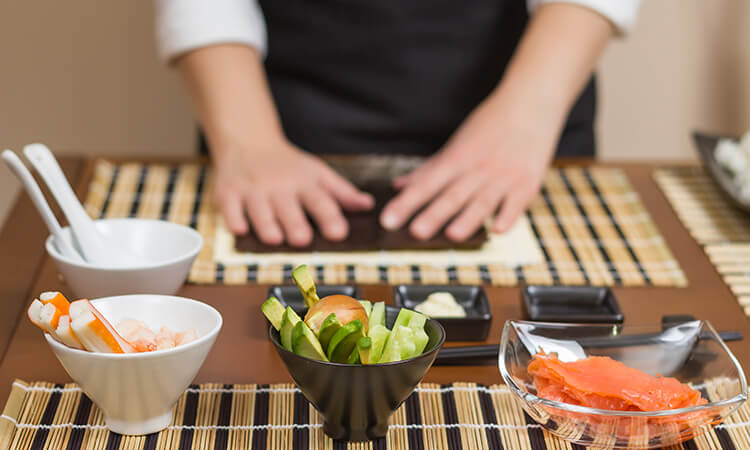
Planner's Notes: No additional activities are planned on this day in this iteration so that time at Sanrio Puroland can be maximized. We've currently left it open, however I did put a dinner suggestion in the 'Activities' section and we can also add activities if you think that you'd like to only spend half a day at Puroland. One place that I was considering is the Open-Air museum or the Tattoo "museum" that we spoke about during our initial call. The restaurant that I've suggested is aa really nice sushi restaurant from a younger chef that used to work at a Michelin-starred restaurant. I'd like to mention that he also does tours of Toyosu Market in the early mornings where he can give you access to the wholesale areas. The restaurant itself is very nice. It's a typical traditional-style Japanese restaurant (but in a very modern setting). The sushi is amazing, and very simple. The chef also allows guests to make their own sushi with him if you reserve that experience in advance.
Day 4 (10/1): Tokyo (Disney Sea day)
Whole day completely dedicated to visiting Tokyo Disney Sea.
Activities:
- Tokyo Disney Sea
- Dinner Suggestion: Yasai Izakaya Genki
Planner's Notes: No additional activities will be planned on this day. We've currently left it open, however I did put a dinner suggestion in the 'Activities' section. The restaurant that I've suggested is very out there. The restaurant itself is kind of crazy, and the menu is out there as well. I think this one will really tick the "quirky places" box. You should be able to click on the name of the restaurant to see the owner's website and YouTube.
Day 5 (10/2): Hakone
For this day in Hakone, I'd like for some of the traditional experiences of Hakone to be highlighted, but I think that the main "attraction" of this day would be the onsen. The Lake Ashi boat cruise is one of the most popular experiences in the Hakone area. There's a ropeway at the opposite side of the lake that should give you a nice view of Mt. Fuji if the weather is relatively clear that day.
The Hakone Open-Air Museum has a lot of very interesting, and out-there artworks. It was once listed on Atlas Obscura (which is a website that I think that you should give a look at before your trip), and so I thought that this may be nice experience to add to this day, but in all honesty it may be something that you can remove if you wish to spend more time at the onsen.
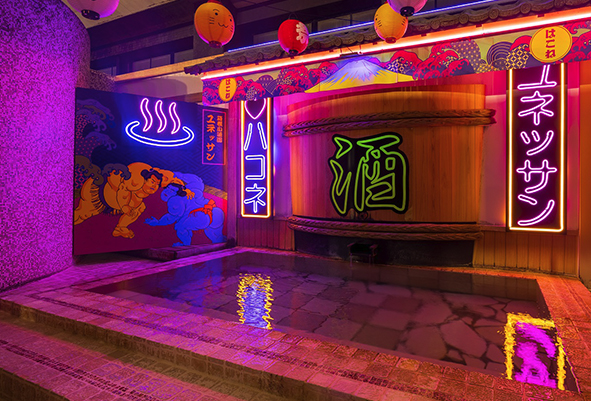
There is no end to excellent onsen bathhouses in the Hakone area, however the onsen that I have on this itinerary is very unique! They have a pool, a rotenburo outdoor bath, a sake bath, a wine bath, and even a coffee bath. It's an onsen that is also meant to be a general relaxation space. It is a more relaxed environment when compared to a more traditional onsen location.
Activities:
- Lake Ashi boat cruise + Mt. Owakudani Ropeway
- Hakone Open-Air Museum
- Hot springs onsen visit (Yunessun)
Planner's Notes: My current suggestion for this day is to treat it as a day trip (similar to the day trip to Nikko at the end of the trip), because it would logistically make more sense to travel to Kyoto from Tokyo on the next day, rather than traveling from here. I want to make a quick note on this day by saying that I think that it would be a bit early to visit for the momiji, and so I wanted to focus more on Hakone's uniqueness with this day trip. I also wanted to kind of focus on Hakone's slightly quirky things, while also making this trip slightly romantic. This is what educated my choices for this day, however I also included a few things that are "general" Hakone experiences, and also things that would prioritize seeing Mt. Fuji.
Taxis or a partial private car is highly suggested for this day. The onsen that I've suggested in the description of this day is called Yunessun.
Day 6 (10/3): Kyoto
On this day I would like to organize a kendo martial arts lesson for you two. I sometimes find it difficult to explain just how incredibly important an experience like this is. I think that on the surface from someone on the outside looking in, it appears to just be a lesson on how to fight with sticks. However, dojo culture and discipline is really 'baked' into Japanese culture in general, and it's a side of the culture that many don't see when visiting because they don't get the chance to visit a dojo. The teacher we use is a descendant of the samurai class, and so it is a family tradition for him. We use this person not only because he is able to perfectly describe the importance of every aspect of this side of Japanese culture in English, but also because he prioritizes the cultural aspects of the lesson just as much as the actual martial arts side of it. It is something very much worth experiencing.
Since you guys will be taking a roughly two hour bullet train to get to Kyoto from Tokyo, I wanted to limit the activities and experiences so that you guys can rest after arriving. My suggestion for this night is to have dinner at a teahouse in Kyoto with a geisha. This is something that is sometimes misunderstood from people outside of the culture. Geisha/geiko/maiko are very well educated artisan entertainers, and although there are different schools all across the country, I do believe that the best is still in Kyoto, and the artisans here take their craft the most seriously out of all of their counterparts. Dinner with a geisha will typically include private music entertainment, games, and tea. It's also a really good chance to delve deeper into the lifestyle of a geiko, and what their daily life is like. Also, as this can be done in the evening, it give you all the chance to rest during the day. The experience is a bit expensive, however there are tours of the area that are *very* affordable. The guide we use is a guy who has dedicated around 30 years of his life uncovering different aspects of this world and building relationships with the teahouses that have hosted geisha artisans for decades.
Activities:
- Gion geisha district tour (or dinner)
- Kendo workshop lesson
- Lunch suggestion: Kisshin (tentative)
- This is a small breakfast/brunch-only establishment that focuses on hearty meals in Kyoto
- https://www.kishin.world/
Planner's Notes: While you'll be staying in a hotel in Kyoto for this leg of the trip, the focus will definitely be on the Kansai area in general (Kyoto, Osaka, Kobe, Nara, etc.). Most of the places here are not difficult to reach from Kyoto, which is why it was chosen as the central location for your accommodation. Kisshin is a special place that only does breakfast and early lunch. It is all very natural, traditional Japanese dishes with a very, very slight modern flair to them. It's very much 'homestyle' Japanese food. I marked it as tentative because the last slot for reservations is around 12:45PM. Currently, I'm not 100% sure if you guys will make it to Kyoto in time to comfortably make it to the restaurant in time. In addition to this, you will notice that I'll be placing more suggestions for restaurants for this leg of the trip as I feel as though Kyoto and to a lesser extent Osaka, have some of the best restaurants in all of Japan. When I say that, I mean that the quality of "normal" restaurants is higher here. So, not all of the restaurants I'm suggesting here are 5-star, fancy places. Some are very simple, but very good at what they do. The focus is on very good, quality food experiences.
Day 7 (10/4): Kyoto
This day is mostly about exploring the Arashiyama district. The best way to get to this district is a boat ride down the Hozugawa river. This ride however is a traditional 3-manned wooden boat, and is a portion of the route that was used in the past to transporting cargo between Osaka and Kyoto. The ride is beautiful, and a lovely way to take in the natural surroundings of Kyoto and the beautiful wooded areas that line the river. It ends in the Arashiyama district, where you will have the chance to visit one of Japan's most beautiful zen gardens (a UNESCO World Heritage Site). The garden is somehow beautiful and different in every season. It was masterfully designed. There is a path behind Tenryuji that is famous for being lined with extremely tall bamboo. I'm going to include a picture of it in the small gallery below. There is an open air steam-engine train that is an excellent way to get to the meeting spot for taking the boat down the river. It is a beautiful way to get to the boat, however it will add a small amount of time to your overall journey. I do believe that it is worth it, however the route of the train is almost exactly the same valley that you'll be traveling through on the boat. If I had to choose one of them, it would definitely be the boat, thus I haven't included in the itinerary and I'm just mentioning it here for your own consideration, but it is called the Torokko steam engine train.
The Arashiyama area also has a small mountain called Iwata that also serves as a sanctuary for monkeys. It is a really nice hike (albeit, very short), and the top of the mountain gives you a view of the entire city of Kyoto. I really enjoy giving my guests a high up view of each location that they visit while traveling, so I've put this in tentatively, but it isn't a necessary visit, especially since there are a lot of places that you'd be visiting on this day, and if you want a more relaxed pace, then this is the activity that I would omit.
Otagi-nenbutsuji is a really unique temple in Arashiyama that is rarely visited. It has hundreds of statues, and each of them was made by a completely different person. One of the former head monks decided that he would teach sculpting to anyone that visited the temple and wanted to learn (this was in the 80's, I believe). All of the statues are spread around the temple grounds, and because he gave his students carte blanche with their designs, you'll see some of the ojizou statues wearing headphones, and holding a walkman or other contemporary paraphernalia. It is a site that is unlike anything else in Japan, and it goes along with my theme of only taking you guys to temples and shrines that are unique, and enjoyable to avoid being "temple'd out", especially during this leg of your trip.
Shigetsu is a shojin ryori-based restaurant that is inside of Tenryuji Temple. It has a Michelin Green star, and is probably one of the nicest, and most affordable places to eat in the area (given its status). The temple setting really makes it not only a good meal, but a good experience as well. I highly suggest enjoying a meal here on this day. It's fully vegetarian, as the meals are meant to be an elevated form of the meals that monks eat during periods of asceticism.
After that, I thought that it would be nice to do a traditional tea ceremony. This is something that can be tough to plan as there are a *lot* of places in Kyoto that have tea ceremonies, and it becomes kind of difficult to tell who is authentic, and who is simply a vendor trying to make money off of tourists. I have a very good person that I typically send my guests too, and I've put his information in the 'Planner's Notes' section below.
Activities:
- Traditional Tea Ceremony
- Hozugawa Kudari traditonal boat ride to Arashiyama
- Tenryuji Temple
- Otagi-Nenbutsuji Temple
- Lunch suggestion: Shigetsu
- Dinner suggestion: Gohan ya Isshin
Planner's Notes:
This is one of the few days that may run a little long (in terms of planned activities/experiences). Although it is longer than the other days, all of the activities are mostly centered in one area of Kyoto, so there wouldn't be much going back and forth between places and you'd still have the evening free. This day has a lot of natural surroundings, and I also thought that the boat ride would be a romantic way to take those surroundings in. Also, it isn't mentioned in the activities, but there is a very beautiful and famous bamboo grove behind Tenryuji temple that is a must-visit if you're going there. It usually gets quite crowded, but it is still beautiful, and worth the stop. Also, for the tea ceremony, there is a specific person I had in mind, only because he has spent time in the US (I believe he went to school in New York), and thus he speaks English really well. The tea ceremony has a very rich history, which is nice to hear about during the tea ceremony, and it is also nice to be able to ask questions during the ceremony as well. He's on IG at: dairikamae.
Day 8 (10/5): Nara
While traveling throughout Japan, you will have no doubt noticed some of the sometimes ornate roof tiles that line the houses here. A lot of these tiles are fixed with patterns or symbols that represent different families in Japan. I thought that it might be nice to delve into this a little, while creating your own family tiles. I've included a picture of what they look like in the photo gallery below so that you have an idea of how substantial they are. They also make a great memento of your trip.
This next suggestion is a bit obscure, but it is a process that I find absolutely fascinating, and also the workshop itself is an oddly beautiful space. It's a small boutique ink maker's workshop. The visit to here wouldn't be long, but in planning this itinerary, I wanted to make sure that I included at least one visit to a Japanese craftsman's workshop or home. I chose this one, because of its beauty, and also its intense processing. I'm going to include a small video of this particular workshop to give you a better idea, but if you think that this is something that wouldn't interest you, please say so.
Nara itself is famous for the deer that roam freely around the temple grounds of Todaiji. Todaiji itself is an important cultural and spiritual asset as it is the place that houses one of the nation's largest seated daibutsu statues and it used to be the capital of Japan. The statue itself is one of Japan's National Treasures and it is also a UNESCO World Heritage Site. Again, I'm always keenly aware of when visiting a shrine or temple might bore someone. Kasuga Shrine here in Nara, in particular, is a must-visit in my opinion.
Activities:
- Onigawara crafting
- Lunch Suggestion: SOUSUKE Kakigoori cafe
- Nara Ink-makers
- Todaiji Temple visit
- Nara Park
- Kasuga Taisha
Planner's Notes: I would really, really like to put a lot of emphasis on how good this shaved ice cafe is. They are very much designed for adults (they even serve alcohol on the side for some of them). If you have time in Nara, please give it a try. I'd like for you guys to think of this as two main experiences for the day. The first is the onigawara crafting session in Kyoto, and then the next is the visit to Nara. Todaiji and Kasuga Taisha are must visits while in this region, and Kasuga in particular I feel is a must-visit while in Japan in general. It is otherworldly. For the onigawara crafting experience, there really is only one person in all of Japan that I'm aware that holds this type of experience. Here is their website:
https://www.kawarakoubou-y.com/home-eng/
Day 9 (10/6): Osaka
Today, I currently have two of the experiences from your Wanderlog site on the itinerary.
*Will update this with further information later on.*
Activities:
- Katsuoji
- Mino Falls
Planner's Notes: Getting to and from Katsuoji and the Mino Falls area is something that is going to require quite a lot of time on this day, and so I haven't planned any other activities for it (roughly 2 hours and change by train, one-way).
Day 10 (10/7): Osaka
I've put some of the things from your Wanderlog into this day, and tried to plan around it with other highlights from the city. I didn't want to plan things that would take too much time away from the aquarium (which is amazing btw), so I've only put in two other activities, which preferably would be done before heading to the aquarium.
Osaka Castle is a must-visit in my opinion. Not necessarily for the castle itself, which is majestic, but more so for the history, and also how it conveys the pride, and character of people from Osaka. The castle is a reconstruction of what the original would have looked like, and it is really beautiful. The interior has been turned into a museum, and that really is the highlight.
The Museum of Housing and Living is a wonderful place that has reconstructed houses from all different periods of Japan's history constructed inside. I think it's a great way to get a glimpse of what life was and has been like in Japan over the centuries. It's a quick nice stop for this day, and one that I think fits in well with the other activities thematically and logistically.
Activities:
- Osaka Castle
- Museum of Housing and Living
- Kaiyukan Aquarium
- Dotonbori Canal cruise (tentative)
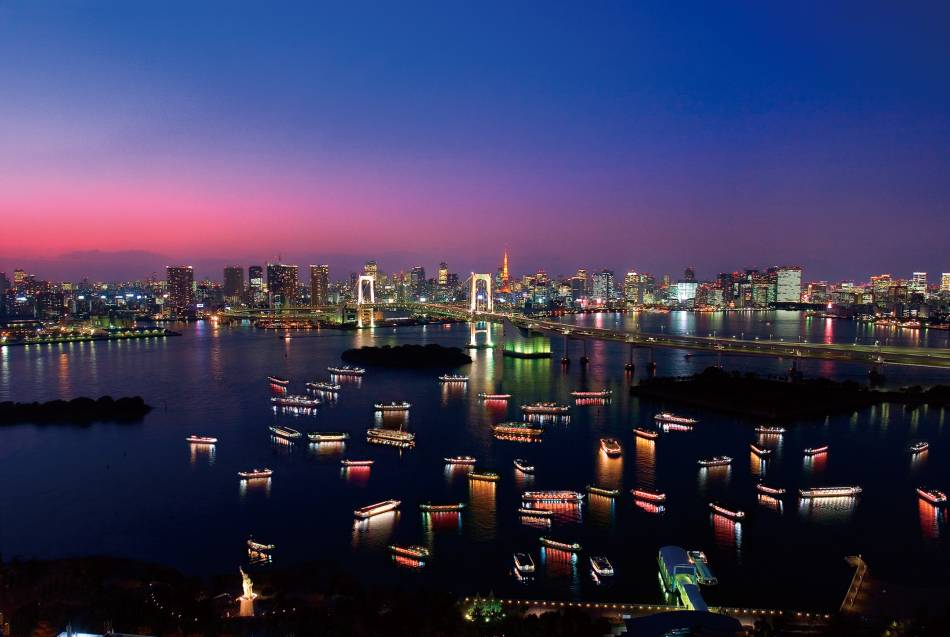
Planner's Notes: We could replace any of the peripheral activities for this day if you'd like to change things up a bit. There's a really famous area in Osaka that's kind of like the Times Square of Osaka. I'm pretty sure if you type "Osaka" into any search engine, it'll be the first image that pops up. It is a "touristy" area, however it is a must-visit. I've placed the Dotonbori Canal cruise in there as a place marker for visiting that area, but it isn't completely necessary to take the cruise, and even if you do, I'd still suggest just walking the streets of this area to get a feel for it's vibe.
Day 11 (10/8): Kyoto ---> Takayama
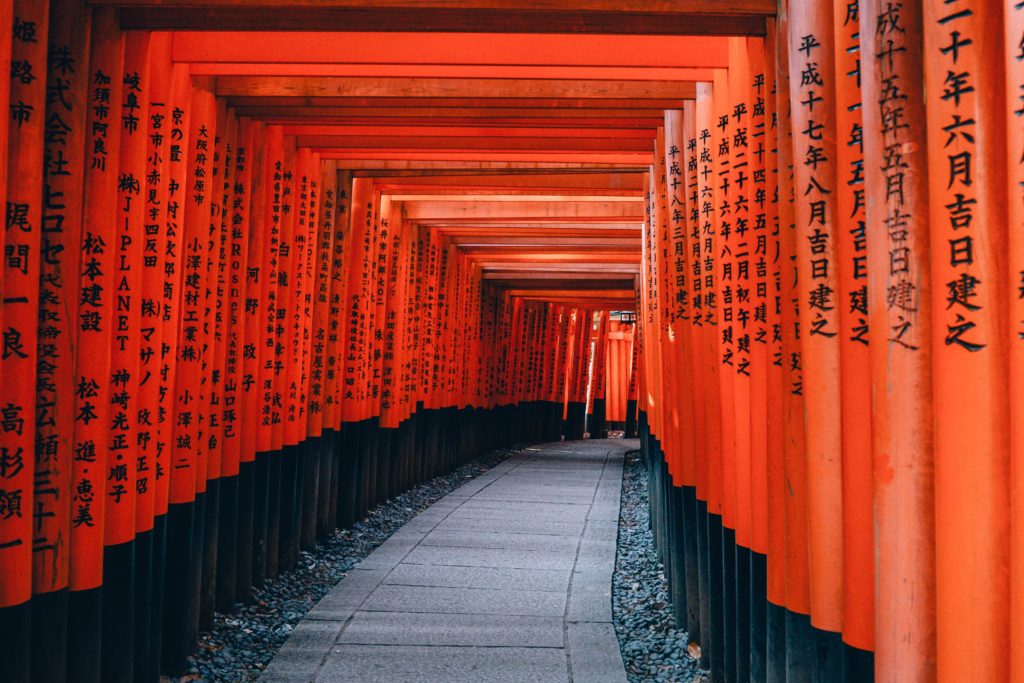
I only wanted to include a single experience on this day, as travel to Takayama is going to be quite a long journey by train. I wanted to make sure that you guys got to see and visit Fushimi Inari Taisha before leaving this region as it is the most popular shrine in all of Japan. I've included a picture of what it looks like in the photo gallery (this is the shrine with the thousands of red torii gates).
I've also only included this single experience, because it is a bit of a hike. Getting to the top of the mountain that the shrine sits on takes about an hour depending on your hiking speed. This is one of the few shrines that doesn't actually "close" though, so my suggestion would be to go up the mountain earlier in the morning before the crowds start to come out (say roughly around 6-7AM), hike the mountain, and then by the time you're coming down the mountain, the shrine areas that have the omamori, and amulets should start to be opening. Doing it this way means you can go back to your hotel, freshen up, and still make it out before check-out time, then head out to Takayama and be there before things close.
Activities:
- Fushimi Inari Taisha visit
Planner's Notes: Travel from Kyoto to the Takayama area will roughly take somewhere between 3.5 - 4.5 hours by train depending on your departure time, and how much you'd like to spend to get there. Once you get to Nagoya, and take the the local train from there to Takayama, the ride itself is *beautiful*. This particular train goes in between rice fields, and really "through" the countryside of that region. Also, the guide that I'm suggesting to be your main guide during the festival does a nighttime haunted areas tour of Takayama which would be nice if you're not too tired when you arrive. I refrained from putting it in the activities section, because I wasn't sure if you'd prefer to rest after arriving, or have something to do when you get there.
Day 12 (10/9): Takayama
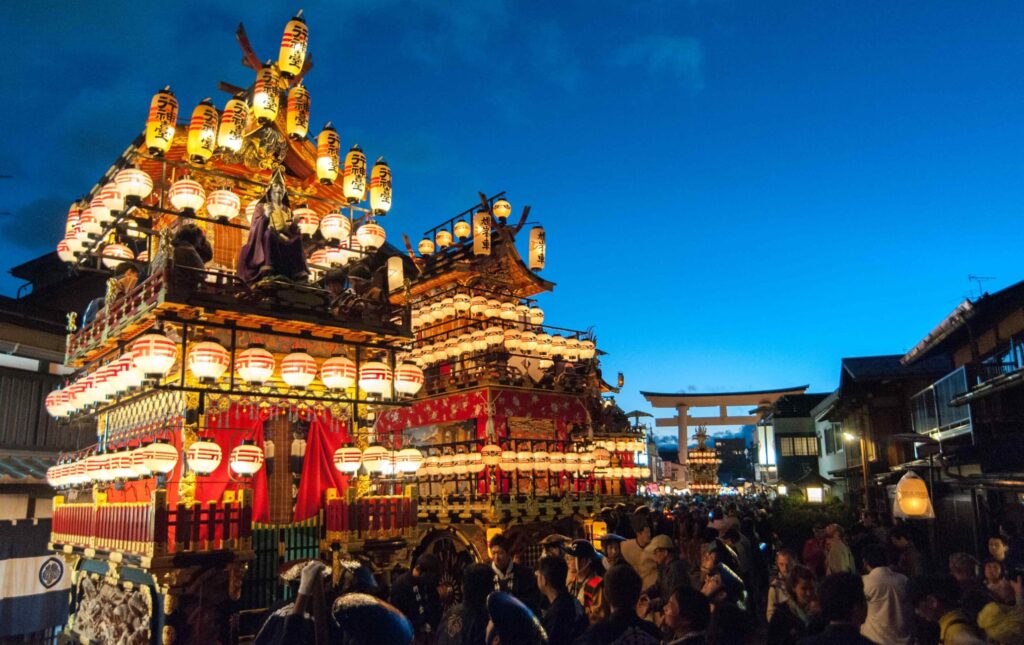
I’ve saved the last destination on your trip for what I think is going to be the most memorable. The Takayama Matsuri is registered as a UNESCO Intangible Cultural Heritage of Humanity asset. It is widely considered to be one of the most beautiful matsuri festivals in all of Japan. The matsuri is two days long, however the night of the first festival is amazing as all of the floats will be lit up with beautiful chochin lanterns. Takayama is known historically for its amazing craftsmen, and the yatai floats and ornate wood carvings give you an idea of why the artisans in this region were so highly regarded. You can also expect for the traditional food stalls to be out on the streets at night during that portion of the festival (pending any local ordinances). This is kind of a cheesy video, but this guy's footage of the nighttime activities is really good and gives you an idea of what the festival looks like. You can skip to 0:40 if you don't want to hear him talk.
Today, a good guide is definitely recommended. Food-wise, Takayama is known for its beef, and sake. Visiting one of the breweries in this region for small-batch fresh sake would be a good experience. Please note that travel to Takayama will be relatively long on this day, hence the short list of activities planned for it.
Activities (guided):
- Takayama Matsuri
- Sake brewery visit
Planner's Notes: Booking the guide for this area should be a very high priority. There is an ex
Day 13 (10/10): Shirakawa-go
Tentatively adding Shirakawa-go to this part of the trip, before your departure back to Tokyo.
Activities:
- Morning Market visit (in Takyama before departing to Shirakawa-go)
- Ogimachi (gassho-zukuri style house village) visit
Planner's Notes: Definitely would like for you guys to have a guide on this day. It would be nice actually to have a car as well, as it would save time, and also allow you to visit more places in this region while here, but it isn't completely necessary to have one.
Day 14 (10/11): Nikko
This trip to Nikko was purposefully placed on this day, in hopes that you'd be able to catch some of the autumn foliage in this region. The momiji season for this region usually starts earlier than other regions, so this may be the ideal time to see them.
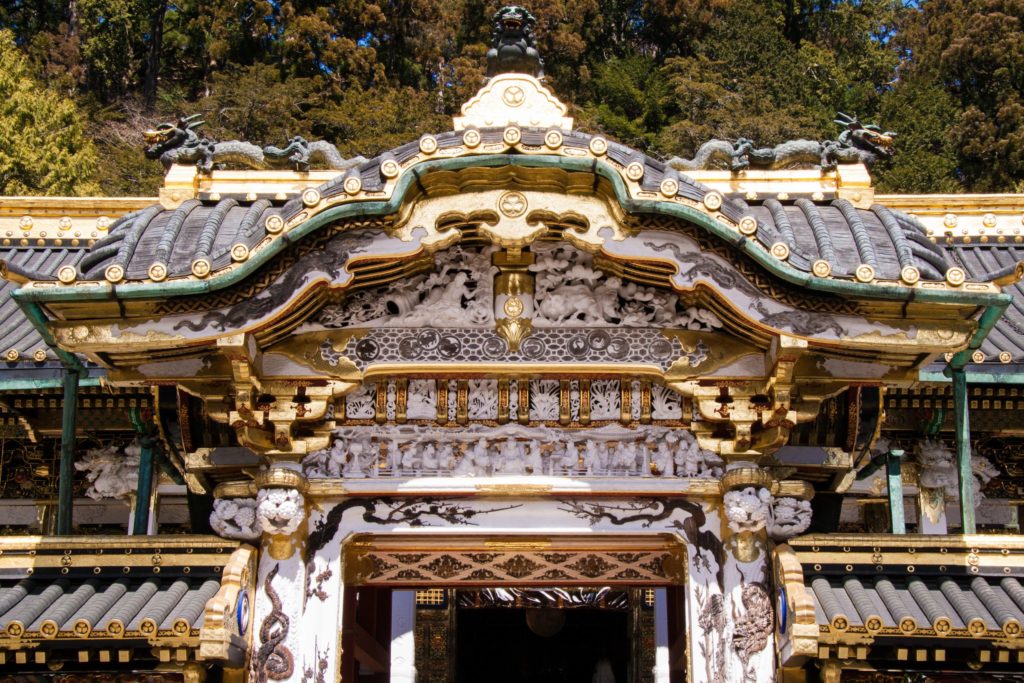
Today, as an almost complete turn from yesterday's activities, the theme and focus will be on parts of Japan's past. Nikko is the resting place for the shogun who unified Japan. There is a shrine there in his honor, and it by far the most ornate of any shrine I've seen in the country. The first half of this day is best spent with a knowledgeable guide who can give you all of the history of Nikko, and the shrines so that you can best appreciate it. The shrine itself is planted right in the middle of a large cedar forest, which only adds to its majesty.
After that, the next stop is more lighthearted. The Edo-era "theme park" isn't located too far from the shrine. I love visiting here, and they usually have to kick us out, because we typically stay until closing hours. There is so much to do, see and learn while visiting. There are impromptu sword fights, hidden ninjas in the streets, areas that teach you about the crafting process of katanas (it is insanely complex), and even stations where you can try your hand at creating your own daruma dolls. It is a lot of light-hearted fun, but I can definitely understand if it isn't exactly what you're looking for with this itinerary. Please let me know what you think about it, and we can replace this with something else (Nikko has some onsen spots nearby that we could put into this day).
As transportation in the area can be very complicated, we would like to arrange a private car for you and your guide on this day (to travel around Nikko to save time as public transport times are irregular).
This day is largely dedicated to nature. There will be a couple of hikes in this itinerary, but Nikko is known for its beautiful momiji during autumn, so we've planned a hike in this area as your first momiji experience.
Activities (guided):
- Visit to Toshogu Shrine (guided)
- Hike to Kegon Waterfall
- Private Onsen visit after the hike (tentative)
- Dinner Reservation: TBD
Planner's Notes: Toshogu Shrine is indeed a shrine, but it isn't like any other shrine in Japan. I know that people can easily get tired of shrine/temple visits when visiting Japan, but if I could only plan a single shrine/temple visit, it would definitely be this one. Private car is an a must on this day.
Day 15 (10/12): Tokyo
Departure from NRT at 9:30PM. Day left free intentionally for shopping, and other arrangements not made on the itinerary currently, and for adding additional activities after the initial feedback.
Activities:
- n/a
Planner's Notes: n/a