Day 1 (10/15): Tokyo
Flight arriving in Japan on this day. Thus the activity suggestions are going to be kept to a minimum. I'd like to use this day as an "orientation" of sorts. Please think of these activities as suggestions that could be moved to other days if necessary, depending upon your actual arrival time in Japan.
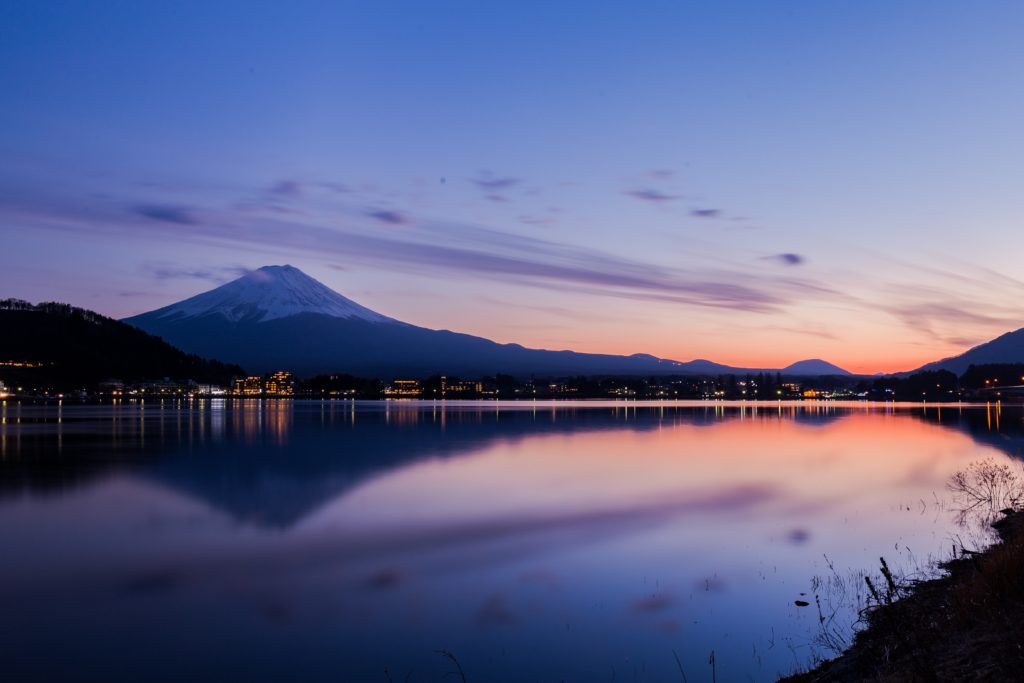
Tokyo Sky Tree is the absolute best way to get an idea of how massive Tokyo is. The view from the top of the tower is endless metropolis, and on a clear day you can see Mt. Fuji. The activities for this day area all centered around the eastern side of Tokyo, which is the more "traditional" side of the city. Thus, you will have the chance to see areas that are known for their 'Showa-era' flavor. This will start with one of the iconic places to visit, Sensouji. Here, going along with the theme of orientation, I would like for the guide (should you elect to have one) to make time to describe the differences between Buddhist temples, and Shinto shrines, both architecturally and spiritually-speaking.
The day can end with a short etiquette lesson on the "dos and don'ts" of Japanese culinary etiquette. I haven't included many culinary experiences in this itinerary, and so I thought that it may be a good thing to have an experience that is culinary-related, but isn't necessarily cooking since it's something that you didn't rate very highly during the call. The etiquette lesson would cover some of the "dos and don'ts" of tableware usage (for instance not 'stabbing' your rice with chopsticks), and other things that would come off as odd while eating at restaurants while here in Japan.
Activities:
- Sensouji Temple (tentative) *guide preferable*
- Tokyo Sky Tree visit
- Japanese culinary etiquette lesson
Planner's Notes: To avoid doing too much on the day you arrive, I've elected to keep all of these activities to the same area. The etiquette lesson would need to be arranged prior to arriving. We can assist with this, if you are interested. Also, some of these activities can be spread out over some of the other days that you are in the Tokyo area, if you are interested in these but it seems like too much to do on your first day.
Day 2 (10/16): Tokyo
The open-air architectural museum in Tokyo was one of the highest rated things that we discussed on the phone. I wanted to provide a day to properly explore this place as it is slightly outside of Tokyo's city center. The open-air museum will have buildings of all types from Japan's eclectic architectural history on display. There are some building here that have served as inspiration to famous Japanese artists, such as Hayao Miyazaki. Some of the buildings for the Spirited Away were inspired by structures at this museum. It is worth a full day of exploration.
Shinjuku Nichome has the highest concentration of gay bars on Earth. This was something else that we spoke about on the phone, and so I wanted to be sure to include this in the itinerary. I think since this is a relatively slow day, it would be a perfect addition as you could relax and enjoy the neighborhood without thinking about leaving to make it to another experience, or activity. Just for additional information, please check out this basic article on the area, and some of the highlights and famous bars:
https://www.japan-experience.com/all-about-japan/tokyo/nightlife/nichome
Activities:
- Edo-Tokyo Open-Air Architectural Museum
- Shinjuku Nichome tour *guide preferable*
- Dinner suggestion: TBD
Planner's Notes: When we initially spoke, you mentioned wanting to keep the pace to roughly 1-2 activities per day, and thus I've kept this day quite simple since travel time to the area where the open-air museum would be slightly long. For the Shinjuku Nichome area, I think it would be preferable to have a guide if you want company when going from place to place and also for a bit more history about the neighborhood, however it isn't a "must" if you just want to enjoy the night.
Day 3 (10/17): Tokyo
This day's activities are also based on our phone conversation and you mentioning wanting to visit Harajuku. My assumption was that you guys would be interested in seeing some of Japan's fashion trends in person on the streets. I don't know if anyone in you or your partner is interested in fashion, but we could arrange for a fashion stylist to show you all some of the more fashionable districts in Tokyo where the boutique stores are. If you are, however just interested in seeing the eclectically dressed people in Harajuku, then Takeshita Dori (right by Harajuku station) may be a decent place to visit (although within recent years it's become really touristy), and the intersection by 'The Shelter' are some of the places I enjoy for 'people-watching' in the area to get an idea of what is trending. We actually used to do street fashion videos in that area years ago. Here's an example:
Outside of that, if I could add another spot for this location, it would be Meiji Jingu Shrine, which is also walking distance from Harajuku Station. Ideally, I would have you guys start here when you arrive in Harajuku, and then walk through Takeshita Dori, then go to the intersection where 'The Shelter' is. In all honesty, you could also walk from there to Shibuya Crossing as well if you wanted to cross that off of your list too while in the area. Cat Street, which is also famous in the area, would be on the way as well and there are a ton of good restaurants in the area to enjoy along the way.
My next comments are for the Imperial Palace here in Tokyo, which was another experience you expressed interest in. I think that it's a decent place to visit with a guide. If I'm 100% honest, the Imperial Palace in Kyoto is much, much better as you can have access to the actual palace grounds. In Tokyo, you can only access the garden areas around the palace, where the castle ruins are. It is fascinating, and the history of the neighboring area is extremely fascinating, however I think it requires a proper guide to really get the most out of the experience. There are volunteer guides for this area, but it really is hit, or miss depending on who you get. Thus, if I had to streamline this day (considering that you may also visit Meiji Jingu) I'd cut this experience and possibly try to find time to visit the Imperial Palace in Kyoto, which is *much* better.
Activities:
- Harajuku tour *guide suggested*
- Meiji Jingu Shrine
- Visit to the Imperial Palace East Gardens *guide suggested*
Planner's Notes: A guide for the Imperial Palace would be best to get an understanding of the extremely fascinating history of not only the Imperial Palace itself, but also the area surrounding the palace.
Day 4 (10/18): Tokyo (short Mt. Fuji hike)
From Autumn until early Summer, climbing Mt. Fuji is not recommended due to snow, ice, extreme winds, avalanches, and the temperature at the top of the mountain dropping well below zero. However, I did want to have a day that is dedicated to nature, and hiking, and stopping at a few teahouses along the way. I added this day, because you rated the Shimanami Kaido Cycling route quite highly, however getting all the way down there is something that would require a lot of time and money, so I wanted to provide you guys with another option that is also satisfying but a lot closer.
As mentioned, you wouldn't be able to climb to the top of Mt. Fuji at this time of year without special permission, however there are several different hikes around the lakes that provide beautiful views of Mt. Fuji. We can cater the hike to your preferences as there are different routes in the area that range between two and seven hours, and various altitudes as well. Of all of the days on this itinerary where I would suggest having a guide, this is the most important one. We can provide you with an affordable guide who also has a car they can take you around in. This guide is a mountain climber and is extremely knowledgeable of the area and the hiking paths.
Activities:
- Mt. Fuji area hike
- Dinner suggestion: Hoto Fudou
Planner's Notes: I wanted to make sure there was at least one day in the itinerary that was dedicated to Japan's beautiful natural surroundings. I landed on this, because logistically it is very easy to reach with the current focus on two regions, and I also think it is nice for first-time visitors of Japan to see Mt. Fuji during their trip. Please keep in mind that although the following day trip to Nikko will also have some very beautiful natural sites included on that day, the focus of the day is more so on its beautiful UNESCO World Heritage Site, Toshogu Shrine.
Day 5 (10/19): Nikko
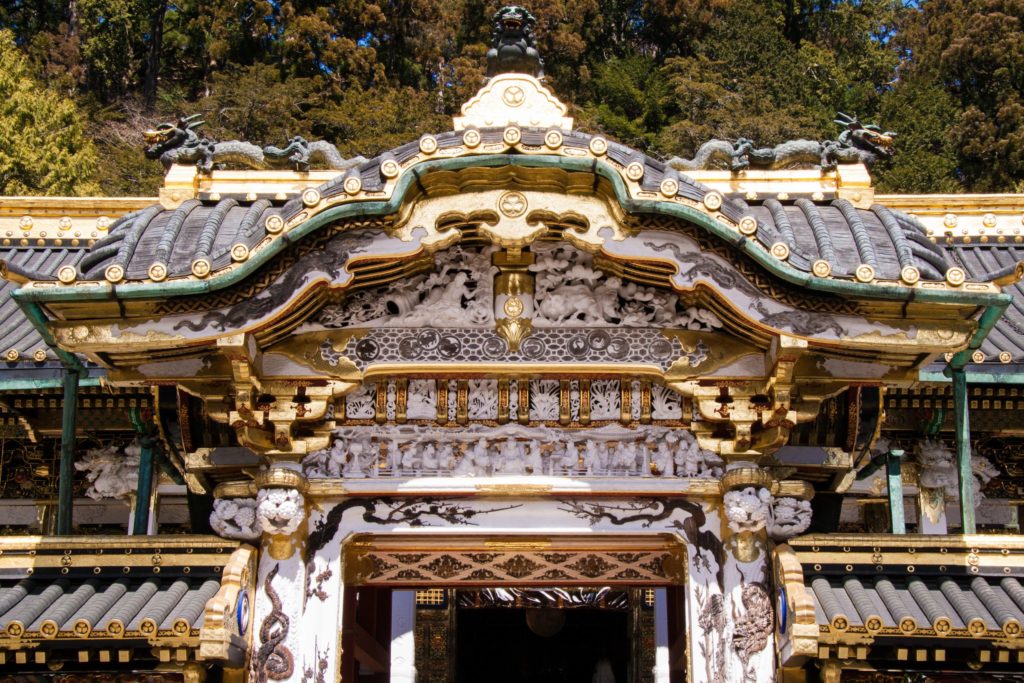
This day, will be the second day outside of Tokyo. Nikko is not only one of Japan's best onsen towns, it is a very historical place and it serves as the final resting place for the shogun that unified the entire nation. Toshogu is the shrine that is dedicated to him. In my over a decade in a half in Japan, if I had to show people only one shrine during their trip to Japan, it would be this one. It is extremely ornate, and its setting amongst the massive cedar trees is majestic. I've included a few pictures of the shrine in the photo gallery below.
After visiting Toshogu, I wanted to arrange for something a little more light-hearted on this day. There is a place in Nikko called Edo Wonderland. It is difficult to describe, but it falls somewhere between an open-air museum, and a theme park. It has places that are dedicated to learning traditional Japanese crafts, as well as spots where you can learn how to throw a ninja star. It is a visit that is interesting for people of all ages and you can think of it as if someone placed an entire Edo-era village inside of a time capsule, and then opened it up today.
After the day's activities are complete, soaking in an onsen is the next stop. There are plenty of options in the area including private onsen options (which may be necessary due to your tattoos). In fact the area has many of them to choose from, each with slightly different mineral compositions, so visiting multiple onsen is totally possible. We can come up with a list of options for you if you'd prefer.
Activities:
- Toshogu Shrine
- Edo Wonderland
- Onsen visit
Planner's Notes: The area is one of the most famous in Japan for its natural onsen locations, and since that was one of the things that you rated highly, I wanted to be sure to include a place that was both great for onsen, but also made logistical sense, considering budget and the regions you're visiting. Travel-wise, this day is a relatively long travel day to get to this area (roughly around 2.5 hours of travel time). It is recommended to have a car here in Nikko or use a taxi for some of your transportation. I think that going to Toshogu on foot, or by bus would work, but going to the onsen and to Edo Wonderland after that would preferably be done by taxi (it would probably cost a few thousand yen for each and taxis can be found at Nikko station). If you're open to staying here a little later in the day, I'd suggest dinner at a ryokan. I know that you guys mentioned wanting to stay at a ryokan, and I've made a couple of suggestion for that, however if you elect to stay at the hotel I've suggested, then this would be a good opportunity to experience a ryokan on some level without the expense of staying at one.
Day 6 (10/20): Kyoto (Arashiyama)
I'd like to use this day to organize some things that Kyoto is famous for, and also a few things that Japan in general is famous for, but are best experienced in Kyoto. For this day, I'd like to arrange a relatively early start, since you will be leaving Tokyo quite early. The first thing that I had in mind for this day was making a traditional tie dye shirt, or dyeing a shirt in a traditional shibori way. This recommendation is purely based on the interest that you expressed in it during our call, however I do know several smaller, local people in this area that do this experience regularly. I also think it would make a very nice souvenir.
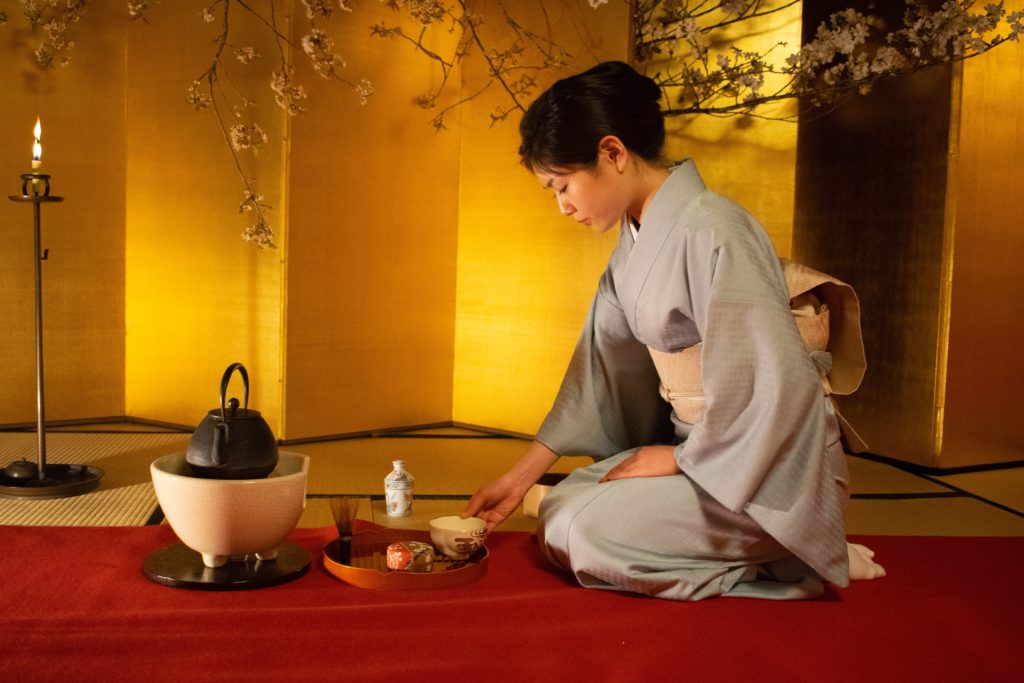
After that, I thought that it would be nice to do a traditional tea ceremony. This is something that can be tough to plan as there are a *lot* of places in Kyoto that have tea ceremonies, and it becomes kind of difficult to tell who is authentic, and who is simply a vendor trying to make money off of tourists. I have a very good person that I typically send my guests too, and I've put his information in the 'Planner's Notes' section below.
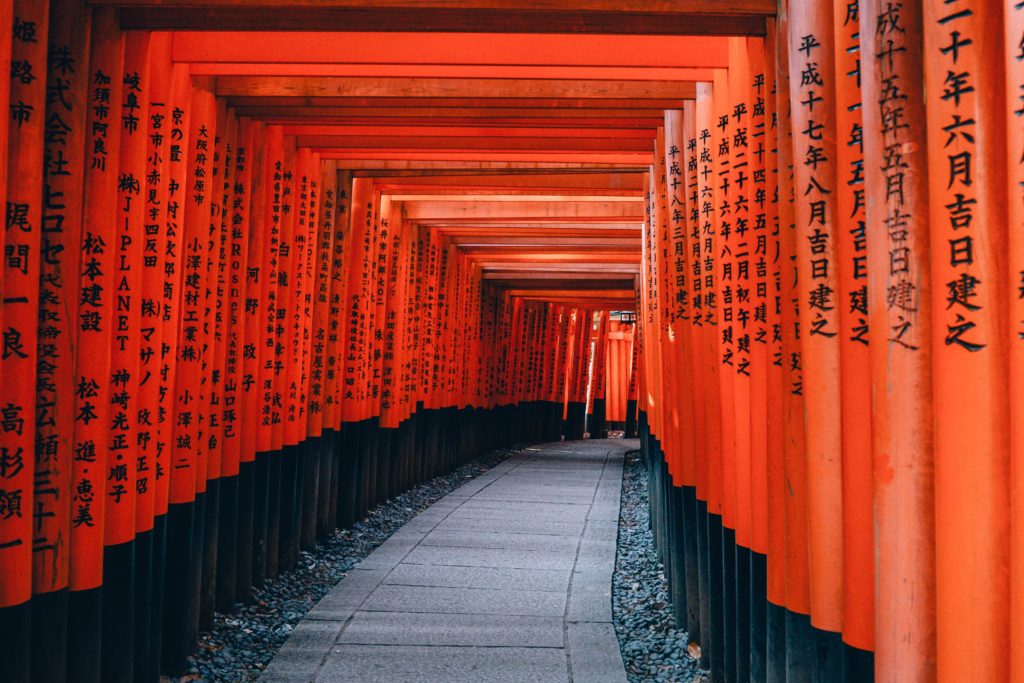
Fushimi Inari is a shrine dedicated to Inari, who is a deity that is seen as the god of rice, fertility, wealth, industry and many other aspects of life. The symbol of Inari is usually a fox, and so the 'guardians' of their shrines are typically foxes and Inari has thousands of shrines across Japan (the most of any deity in the Shinto pantheon), however Fushimi Inari Taisha is the main shrine for this deity. Many people visit early in the morning, or later in the evening in order to avoid the very, very large crowds that appear during the day. I've included a picture of what this shrine looks like in the photo gallery below, but it is famous for its thousands of large red torii gates that work their way up the mountain that the shrine stands on.
Activities:
- Japanese shibori tie-dye shirt making lesson
- Tea ceremony
- Visit to Fushimi Inari Taisha shrine
Planner's Notes: I've limited the activities on this day as it will be a relatively long travel day by train getting to the Kansai region. My current suggestion is to take the bullet train departing Tokyo Station at 9:00AM, and arriving at Kyoto Station at roughly 11:15AM. These tickets would cost roughly 14,170 JPY per person. Also, for the tea ceremony, there is a specific person I had in mind, only because he has spent time in the US (I believe he went to school in New York), and thus he speaks English really well. The tea ceremony has a very rich history, which is nice to hear about during the tea ceremony, and it is also nice to be able to ask questions during the ceremony as well. He's on IG at: dairikamae.
Day 7 (10/21): Kyoto
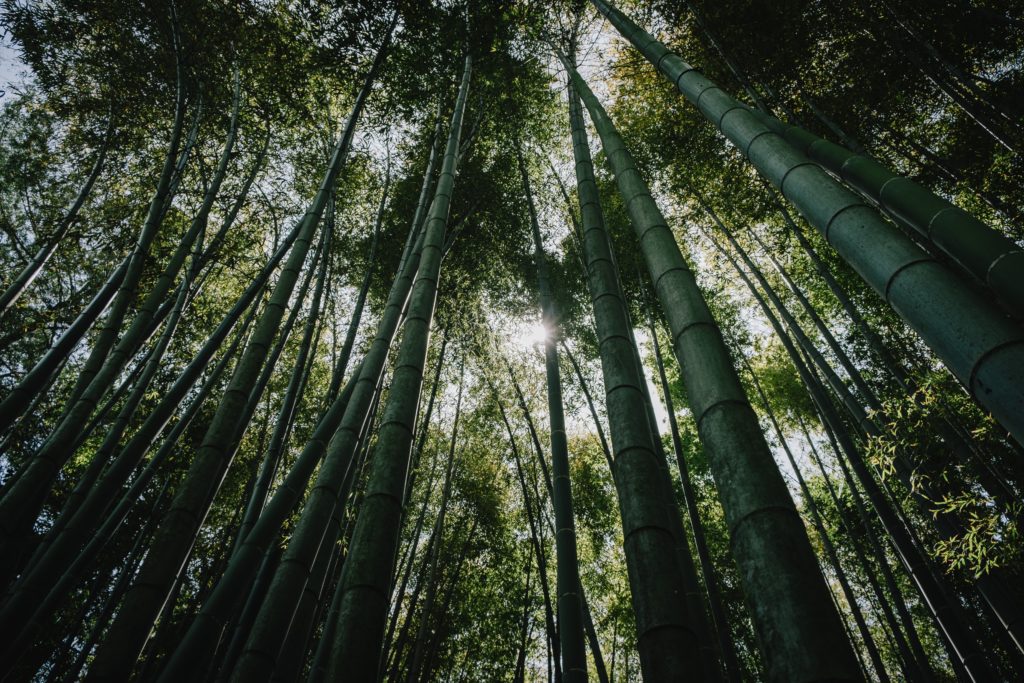
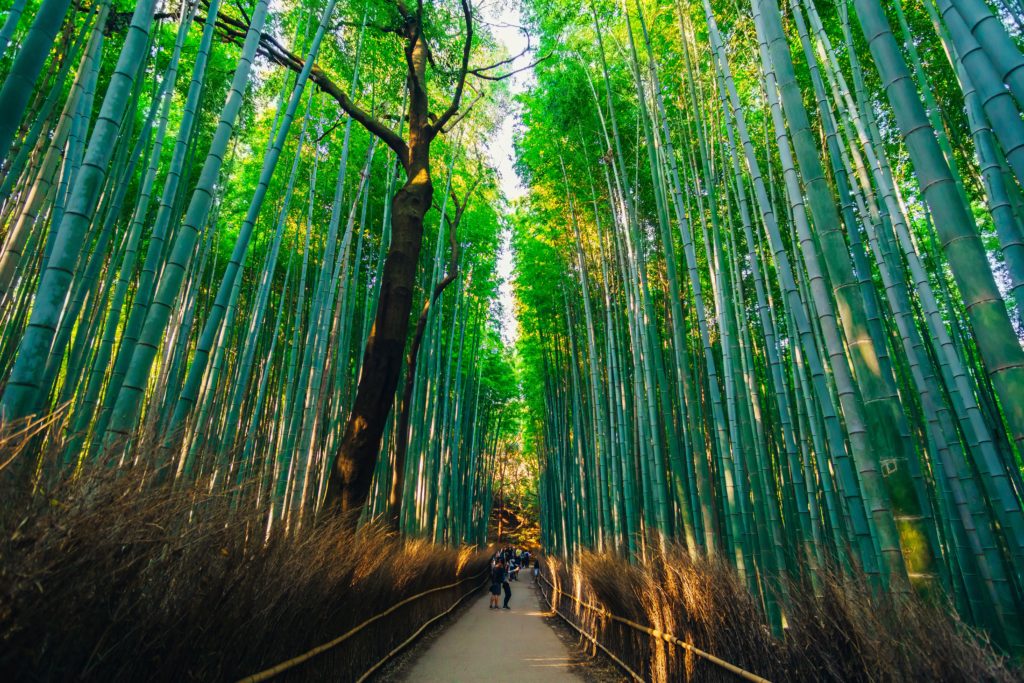
This day is mostly about exploring the Arashiyama district. The best way to get to this district is a boat ride down the Hozugawa river. This ride however is a traditional 3-manned wooden boat, and is a portion of the route that was used in the past to transporting cargo between Osaka and Kyoto. The ride is beautiful, and a lovely way to take in the natural surroundings of Kyoto and the beautiful wooded areas that line the river. It ends in the Arashiyama district, where you will have the chance to visit one of Japan's most beautiful zen gardens (a UNESCO World Heritage Site). The garden is somehow beautiful and different in every season. It was masterfully designed. There is a path behind Tenryuji that is famous for being lined with extremely tall bamboo. I'm going to include a picture of it in the small gallery below. There is an open air steam-engine train that is an excellent way to get to the meeting spot for taking the boat down the river. It is a beautiful way to get to the boat, however it will add a small amount of time to your overall journey. I do believe that it is worth it, however the route of the train is almost exactly the same valley that you'll be traveling through on the boat. If I had to choose one of them, it would definitely be the boat, thus I haven't included in the itinerary and I'm just mentioning it here for your own consideration.
The Arashiyama area also has a small mountain called Iwata that also serves as a sanctuary for monkeys. It is a really nice hike (albeit, very short), and the top of the mountain gives you a view of the entire city of Kyoto. I really enjoy giving my guests a high up view of each location that they visit while traveling, so I've put this in tentatively, but it isn't a necessary visit, especially since there are a lot of places that you'd be visiting on this day, and if you want a more relaxed pace, then this is the activity that I would omit.
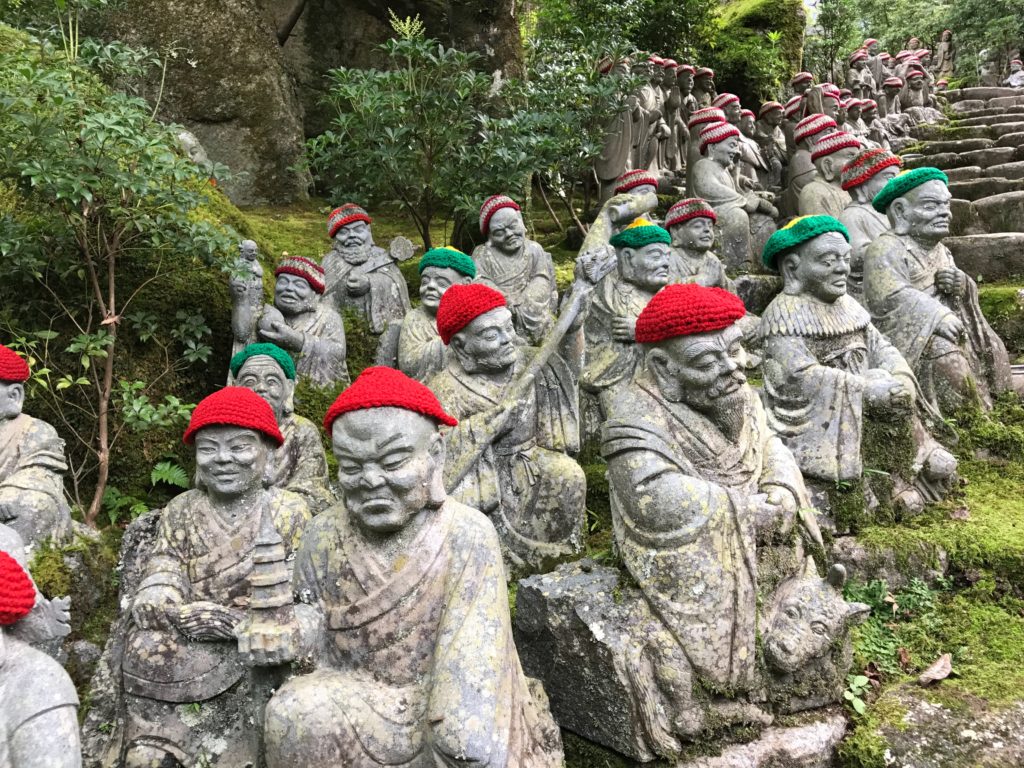
Otagi-nenbutsuji is a really unique temple in Arashiyama that is rarely visited. It has hundreds of statues, and each of them was made by a completely different person. One of the former head monks decided that he would teach sculpting to anyone that visited the temple and wanted to learn (this was in the 80's, I believe). All of the statues are spread around the temple grounds, and because he gave his students carte blanche with their designs, you'll see some of the ojizou statues wearing headphones, and holding a walkman or other contemporary paraphernalia. It is a site that is unlike anything else in Japan, and it goes along with my theme of only taking you guys to temples and shrines that are unique, and enjoyable to avoid being "temple'd out", especially during this leg of your trip.
Shigetsu is a shojin ryori-based restaurant that is inside of Tenryuji Temple. It has a Michelin Green star, and is probably one of the nicest, and most affordable places to eat in the area (given its status). The temple setting really makes it not only a good meal, but a good experience as well. I highly suggest enjoying a meal here on this day. It's fully vegetarian, as the meals are meant to be an elevated form of the meals that monks eat during periods of asceticism.
Activities:
- Hozugawa Kudari traditonal boat ride to Arashiyama
- Tenryuji Temple
- Otagi-Nenbutsuji Temple
- Lunch suggestion: Shigetsu
Planner's Notes:
This is one of the few days that may run a little long (in terms of planned activities/experiences). Although it is longer than the other days, all of the activities are centered in one area of Kyoto, so there wouldn't be much going back and forth between places and you'd still have the evening free. On Day 4, I mentioned it being a day that is fully dedicated to taking in Japan's beautiful natural surroundings. This day is also partially dedicated to that, as the Hozugawa boat ride is a very beautiful landscape to take in. Also, it isn't mentioned in the activities, but there is a very beautiful and famous bamboo grove behind Tenryuji temple that is a must-visit if you're going there. It usually gets quite crowded, but it is still beautiful, and worth the stop.
Day 8 (10/22): Kyoto (Jidai Matsuri)
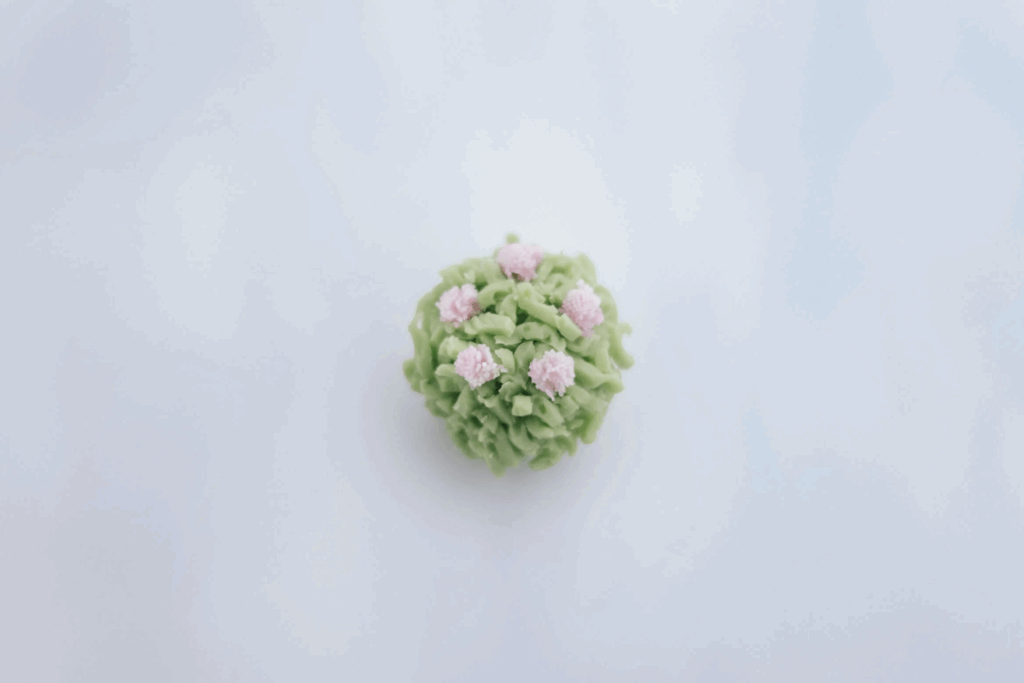
I'd like to arrange a sweets-making lesson as Kyoto is famous for its Japanese sweets, and there are many places where you can craft these traditional wagashi sweets. I know that on the surface that this may sound slightly juvenile, but I'd really like for you both to think of wagashi as a form of edible artwork. I'd also like to arrange for this, because there currently aren't many food-related experiences in this itinerary and this would be one that is both simple and short. There are many sweets-making 'houses' in Kyoto, but I wanted to suggest Shichijo Kanshudo, for their simple, yet ornate designs. I've included a couple of pictures of what their sweets look like in the gallery. The green floral one is what you can expect to make with them during the lesson.
The Jidai Matsuri is more like a parade than a 'matsuri' per se. It is a fantastic event nonetheless and is a great chance to see multiple 'phases' of Japan's history from a cultural perspective. Some of the matsuri events are always a little difficult to describe, so please have a look at this video to get an idea of what it's like:
You can also read up on it for particulars using the link below. As I previously mentioned for Day 3, visiting the Imperial Palace in Kyoto may be a better option for a more traditional palace visit, and this event starts early in the morning at the palace, so if you wanted to go that route, you'd be visiting the palace on what could be considered the best day of the year to do so.
https://japancheapo.com/events/jidai-matsuri-kyotos-historical-parade/
Activities:
- Jidai Matsuri
- Japanese wagashi sweets-making lesson
Planner's Notes: n/a
Day 9 (10/23): Nara
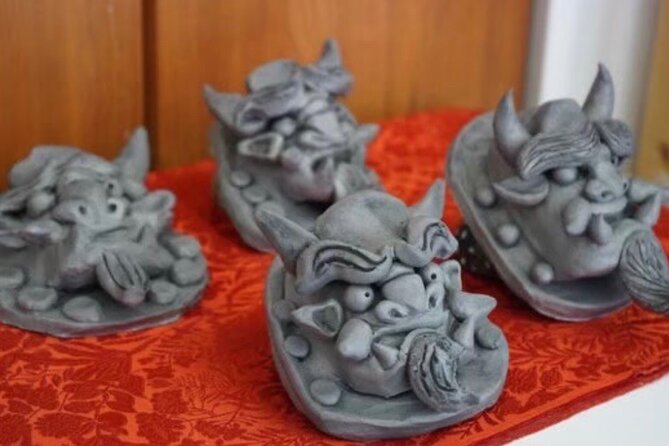
While traveling throughout Japan, you will have no doubt noticed some of the sometimes ornate roof tiles that line the houses here. A lot of these tiles are fixed with patterns or symbols that represent different families in Japan. I thought that it might be nice to delve into this a little, while creating your own family tiles. I've included a picture of what they look like in the photo gallery below so that you have an idea of how substantial they are. They also make a great memento of your trip.
This next suggestion is a bit obscure, but it is a process that I find absolutely fascinating, and also the workshop itself is an oddly beautiful space. It's a small boutique ink maker's workshop. The visit to here wouldn't be long, but in planning this itinerary, I wanted to make sure that I included at least one visit to a Japanese craftsman's workshop or home. I chose this one, because of its beauty, and also its intense processing. I'm going to include a small video of this particular workshop to give you a better idea, but if you think that this is something that wouldn't interest you, please say so.
Nara itself is famous for the deer that roam freely around the temple grounds of Todaiji. Todaiji itself is an important cultural and spiritual asset as it is the place that houses one of the nation's largest seated daibutsu statues and it used to be the capital of Japan. The statue itself is one of Japan's National Treasures and it is also a UNESCO World Heritage Site. Again, I'm always keenly aware of when visiting a shrine or temple might bore someone. Kasuga Shrine here in Nara, in particular, is a must-visit in my opinion.
Activities:
- Onigawara crafting
- Nara Ink-makers
- Todaiji Temple visit
- Nara Park
- Kasuga Taisha
Planner's Notes: I'd like for you guys to think of this as two main experiences for the day. The first is the onigawara crafting session in Kyoto, and then the next is the visit to Nara. Todaiji and Kasuga Taisha are must visits while in this region, and Kasuga in particular I feel is a must-visit while in Japan in general. It is otherworldly. For the onigawara crafting experience, there really is only one person in all of Japan that I'm aware that holds this type of experience. Here is their website:
https://www.kawarakoubou-y.com/home-eng/
Day 10 (10/24): Tokyo
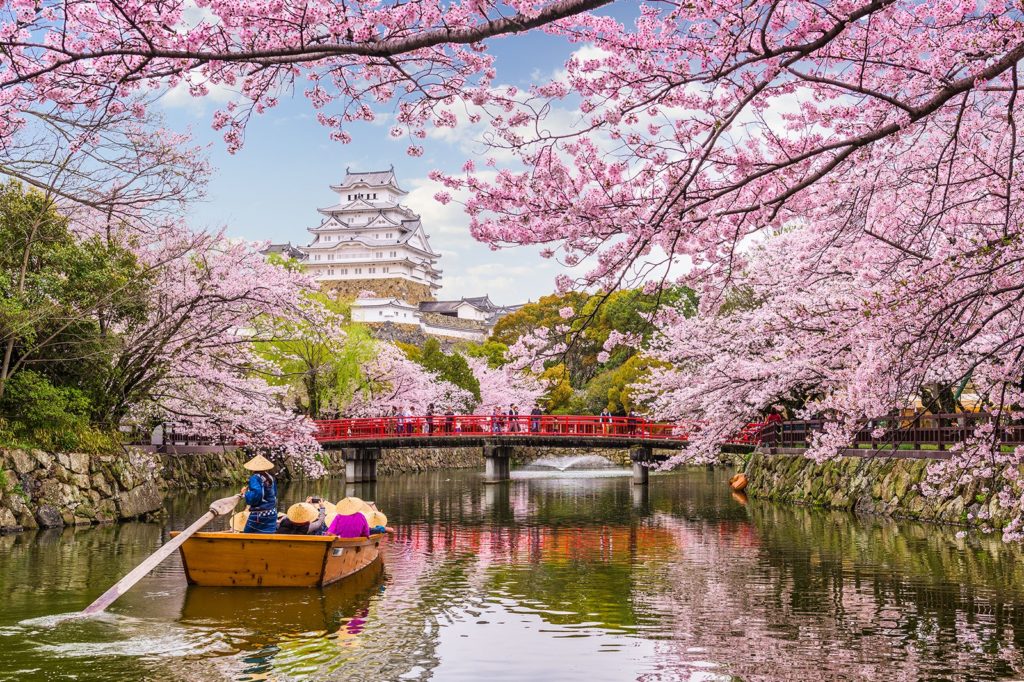
Himeji Castle is the best example of what a grand castle used to look like in Japan. The castle grounds are relatively well maintained, and the castle itself is completely accessible, and unlike many of the other castles in Japan that have been reconstructed based on their original design, Himeji Castle has not been turned into a museum. Meaning the floor plan is mostly in its original state, which gives you a better sense of what a castle was actually like during that time. I'm placing this as a quick morning day-trip from Kyoto as Himeji Castle was one of the things you mentioned wanting to see during our call, and it would be the only castle in the itinerary. It is very much worth it, but I would suggest a very early wake up time to make the most of this day.
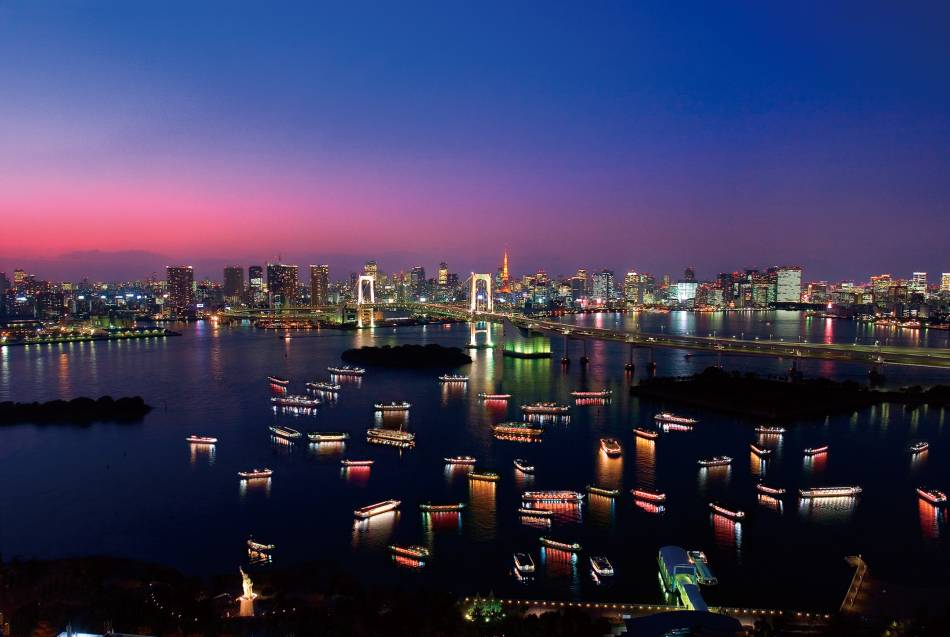
Today would be the most time spent on a train for your itinerary. It is also your last full day in Japan, and so I thought that this would be the best day to plan your spa day so that you can relax the day before your departure. Tokyo will definitely not lack options for this category, but I'd like to get a bit more information before making a concrete suggestion as some of the spas can be very expensive. We could also simply help you arrange a short visit to a massage salon if that would be better. My immediate suggestion for this would be Tokyo Toyosu Manyo Club in Odaiba. The views are really nice, and it's also nice to visit the man-made island of Odaiba at least once. There's also no time-limit on how long you can stay (assuming you leave before 3AM, at which point they'd simply charge you a small 'overnight' fee). Japan has tons of options for spas though, including the recently popular cedar enzyme bath treatments. I'd also be remised if I didn't mention the Korean akasuri treatments that some spas will offer, which is essentially a treatment where someone who is wearing callous gloves scrubs all of the dead skin off of your body.
Activities:
- Himeji Castle visit (morning visit) *guide suggested*
- Spa day in Tokyo
- Dinner suggestion: TBD
Planner's Notes: n/a
Day 11 (10/25): Tokyo
I currently do not have any activities or experiences planned for this day, as this would currently be the day that you guys would fly out of Japan to head to Taiwan. We can add activities on to this day based on when your flight departs.
Activities:
- n/a
Planner's Notes: n/a